Post-80s Cultivation Journal Novel Review – Nostalgic Slice-of-Life Cultivation That Slowly Loses Its Spark
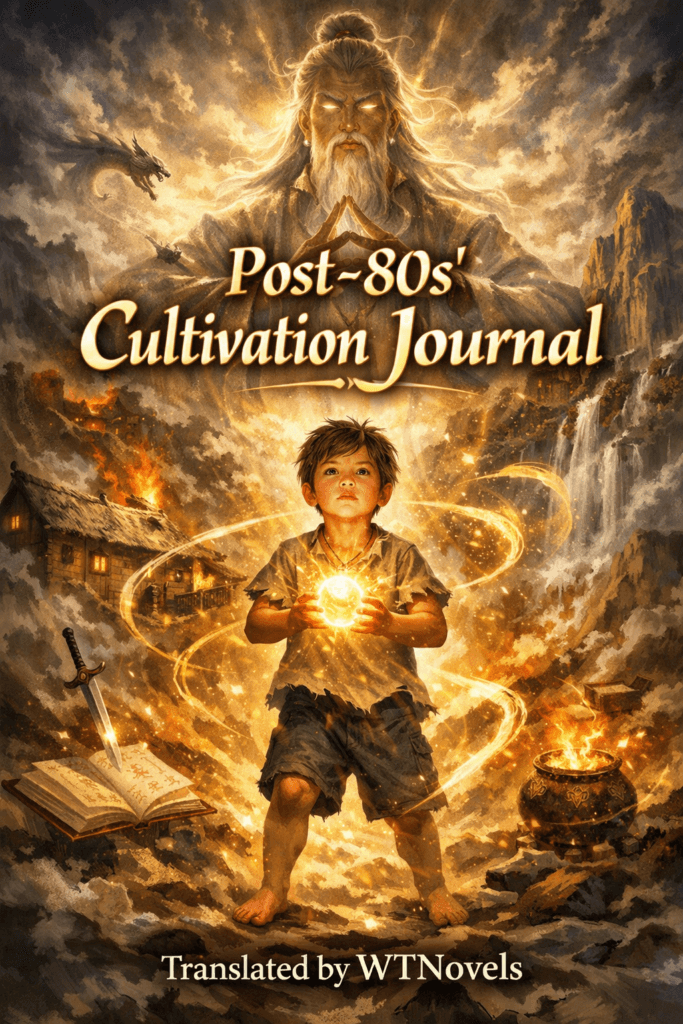
Post-80s Cultivation Journal begins with a surprisingly refreshing concept: a grounded, nostalgic portrayal of rural life blended with early-stage cultivation elements. Instead of rushing into overpowered battles or flashy sect wars, the story takes its time building an atmosphere around village life, childhood experiences, and the slow awakening of something extraordinary in an otherwise ordinary boy.
At its best, the novel feels almost meditative. The early chapters shine with strong slice-of-life storytelling, giving readers a vivid sense of pre-modern rural China, where daily routines, family bonds, and small-town interactions carry more weight than grand cultivation breakthroughs. The cultivation element is initially subtle, almost like a hidden layer beneath everyday life, which makes the beginning genuinely engaging and different from typical xianxia stories.
However, as the story progresses, the pacing starts to stretch significantly. What initially felt like a grounded journey slowly shifts into repetitive developments and extended arcs that dilute the original charm. The focus drifts away from the intriguing balance between cultivation and rural life, and the narrative begins to feel less impactful and more drawn out than necessary.
This shift is where the experience becomes mixed. While the world-building remains consistent and the author still maintains a readable flow, the emotional engagement that made the early chapters so compelling starts to fade. Instead of tight storytelling and steady progression, the later chapters often feel prolonged, which weakens the overall momentum of the novel.
By the time the story reaches its later stages, it becomes clear that the initial magic of simplicity and nostalgia is no longer as strong. The cultivation elements also lose some of their novelty, blending into a slower and more stretched narrative direction.
Final Verdict
Post-80s Cultivation Journal is a novel that starts with a lot of heart. Its early chapters offer a unique blend of nostalgia, slice-of-life storytelling, and soft cultivation themes that are genuinely enjoyable. Unfortunately, the pacing issues and stretched narrative in the later parts make it harder to stay fully invested.
If you enjoy slow, atmospheric storytelling and don’t mind a long, meandering progression, it’s worth trying for its beginning alone. But if you prefer tight pacing and consistent escalation, this one may eventually feel drawn out.
Rating: 6.5/10 – Strong start, but loses direction over time