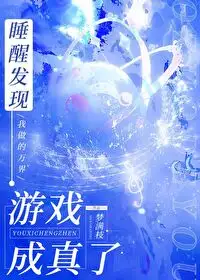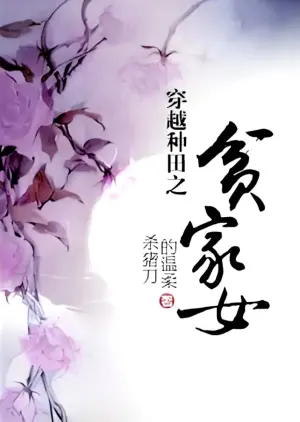
I started reading Transmigrated into a Poor Farmer’s Daughter right after finishing Woke Up to Find the Game I Made Came True (which I thoroughly enjoyed—read my full thoughts there!). I thought I was mentally prepared for another slower-paced story, something down-to-earth, maybe a little melancholic but still heartwarming.
I was wrong.
The description of the novel didn’t exactly scream “tragedy”—sure, it hinted at hardships, but nothing out of the ordinary for a transmigration-in-ancient-times setup. And honestly, I expected the usual: poor girl transmigrates, finds her footing, raises her siblings, marries a decent man, maybe some court politics sprinkled in. Basic struggle-to-success formula, right?
But this novel hits very different.
At around Chapter 18, I started getting the uneasy feeling that this wasn’t going to be a comforting read. Zhang Xiaowan’s narrative about her uncle arranging her marriage, her cold indifference just to survive the early years, and the quiet numbness that followed—it was subtle but devastating. The tone was too familiar. I had read something like this before. A novel I’ve tried very hard to forget.
That other novel (which I won’t name because I don’t want to remember it fully) had an ML who tormented the FL so severely—killed her family, stole her child, gaslighted her to insanity, then watched her suffer even in a second life just to “test” her loyalty. Stockholm syndrome deluxe. I cried so hard during that read I physically couldn’t breathe at points. So when this novel started giving me those same vibes, I had to stop.
No, I didn’t DNF immediately. I skipped to Chapter 223, near the end, just to confirm if my gut feeling was right. And yeah—it was. Something happened with her eldest son, possibly concubines involved, and the FL… she was worn down. Not in a tragic heroine way, but in a bitter, quiet way that real life sometimes is. The kind of emotional erosion that doesn’t scream—it just drains. She never loved the ML; she endured him. That says everything.
Let me be very honest: this novel might be an incredible piece of realism. It may be the most “accurate” transmigration story I’ve seen in terms of how a modern woman would actually survive in ancient times—by giving in, letting go, and adapting completely. It’s raw. It’s painful. It’s well-written in its own way.
But it is not the kind of story you pick up when you want escapism or healing.
💬 If you are even a little emotionally fragile, please think twice before reading this. If you’ve been through a rough patch or if you’re the kind of person who internalizes characters’ emotions deeply—this one will eat at you. Like the author and translator said: this is not fantasy. This is reality, sharpened by ancient customs and the oppressive weight of time.
For me? This novel is firmly in the don’t want to read list. I admire its depth, but I can’t put myself through that kind of heartache again. Especially not after remembering that other book that broke me.
If you do read it—do so carefully. Make sure there’s something good and grounding in your life to hold onto afterward. Because you’ll need it.
Want to read lighter, emotionally balanced stories instead? Check out my other reviews on WTNovels Blog for recommendations that help heal more than they hurt.
And if you’ve read Transmigrated into a Poor Farmer’s Daughter, I’d love to hear what you thought. Did it break you too?